The Collection
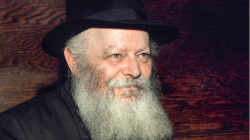
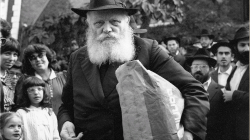
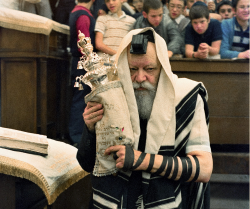
The Living Archive contains thousands of hours of moving image, audio, and photographic materials documenting the life and work of Rabbi Menachem M. Schneerson, of righteous memory, the Lubavitcher Rebbe, and the growth of the Chabad-Lubavitch movement over the past century. The collection spans the 1920s through the present, and includes strong humanities content in the areas of history, religion, storytelling, music, and dance.
The source materials were recorded on a wide range of formats. All these have been preserved, reformatted, and cataloged, and are supported by finding aids, item-level records, and descriptive inventories that make the collection searchable and accessible to researchers, filmmakers, educators, and the general public.
Moving Image
The moving image holdings span 16mm and 8mm film, and video in virtually every format, from the earliest consumer and broadcast formats of the 1970s through current digital formats. — 16mm and 8mm film, half-inch open-reel and three-quarter-inch videotape, Betacam SP, VHS, S-VHS, Hi8, and digital formats.
Together they document public addresses and Chassidic gatherings, holiday celebrations and lifecycle events, meetings with heads of state and public figures, the Sunday "dollar" meetings in which thousands of individuals came to the Rebbe for a word of guidance or blessing, Lag B'Omer parades along Eastern Parkway, and intercontinental satellite linkups connecting Jewish communities across six continents.
Among the notable figures documented in the moving image collection numerous New York mayors Abe Beame, Ed Koch, David Dinkins, and Rudolph Giuliani; Governors Nelson Rockefeller, Mario Cuomo, and George Pataki; Israeli presidents, prime ministers and other notables; and literary figures including Elie Wiesel, Herman Wouk, and Bob Dylan.
The moving image holdings are supported by collection-level finding aids and, in many cases, item-level catalog records with date, duration, format, provenance, and descriptive content notes. Tape logs created by JEM's research staff over decades of production provide an additional layer of detail for the most heavily used materials.
Audio
The audio holdings comprise recordings of the Rebbe’s talks spanning several decades — gathered from the original recordists and collections held around the world, varying in format, completeness, and condition. Originally recorded on reel-to-reel tape and other magnetic media, the archive has undertaken an organized effort to consolidate these materials, assess them for quality, preserve them by migrating to robust digital formats, and curate them into complete events.
The audio collection is complementary to the moving image holdings, and in many cases capture talks and occasions for which no visual record exists. Finding aids for the audio collection include date, occasion, and format information, with ongoing work to expand descriptive cataloging.
Photography
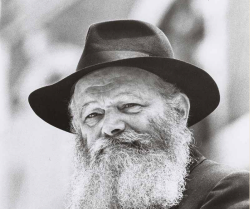
The photographic holdings include hundreds of thousands of 35mm images documenting the Rebbe, the Chabad-Lubavitch community and communal life over eight decades, captured mostly on 35mm -- but also on large-format negatives. Materials have been scanned at archival resolution, with originals stored in archival sleeves in climate-controlled conditions.
The photographic catalog is keyword- and date-searchable, enabling researchers to locate images by subject, occasion, individual, and date. The archive continues to acquire new photographic collections and to expand the descriptive metadata attached to existing holdings.
Oral History
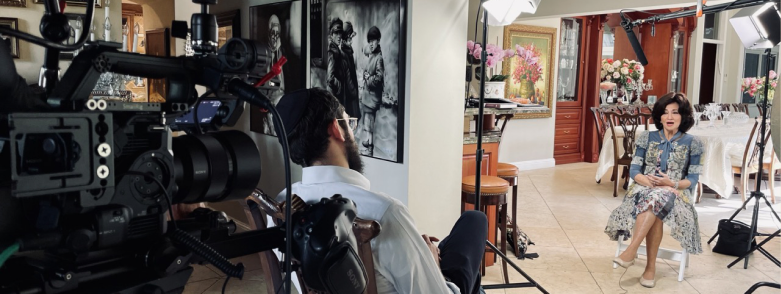
The My Encounter collection comprises hundreds of first-person video interviews -- filmed on Betacam SP, DVcam and all digital HD formats — capturing the first person testimonies of individuals who had personal encounters with the Rebbe. Interviewees include emissaries, public figures, scholars, and laypeople from across the world. Together they constitute a primary source for anyone seeking to understand the human dimensions of the Chabad-Lubavitch movement, and complement the moving image and photographic record with personal testimony and contextual detail.
Interview records include subject name, date, duration, format, and summary descriptions of topics covered, and are cross-referenced with relevant moving image and photographic holdings, where applicable.